
Coronavirus & Contracting: Preserving Your Rights and Navigating Evolving Obstacles of Delays, Changes, Stop Work, and Terminations, While Supporting Government Operations, During the COVID-19 Pandemic
Webinar | 03.23.20, 8:00 AM EDT - 9:00 AM EDT
The COVID-19 Pandemic continues to cause disruptions across nearly all industrial sectors, including the government contracting industry. As contractors attempt to respond to challenges in providing support to government customers, meeting contract and staffing requirements, and adhering to contract terms and a flurry of new federal, state and local directives, companies should be aware of how to minimize disruptions, preserve their rights, and avoid bad practices that could increase post-pandemic legal risk.
During this webinar, Crowell & Moring’s government contracts lawyers will address several ways to manage key performance risks, including delays, disruption, changes, and other collateral consequences related to the fallout from the COVID-19 pandemic.
For questions about this webinar, please contact Denise Giardina.
For more information, please visit these areas: Government Contracts
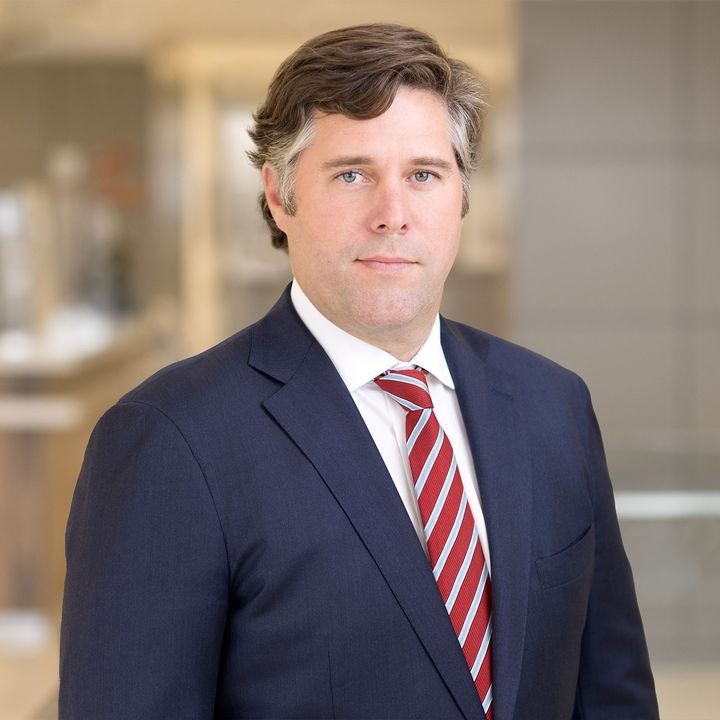
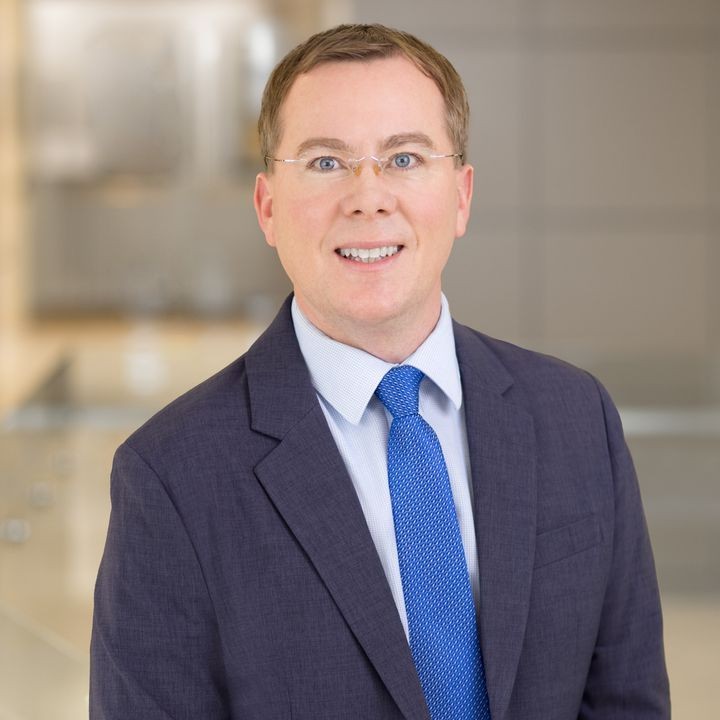
Participants
Insights
Webinar | 10.28.26
AI Governance & Vendor Diligence for Providers
Health care providers are deploying AI at an unprecedented pace—from ambient documentation and AI-assisted diagnostics to remote patient monitoring—but rapid adoption brings significant legal, regulatory, and reputational risk. A growing patchwork of state AI laws, evolving federal frameworks, and emerging litigation are reshaping what providers must do to deploy these tools responsibly.
