
Nicholas Pung
Overview
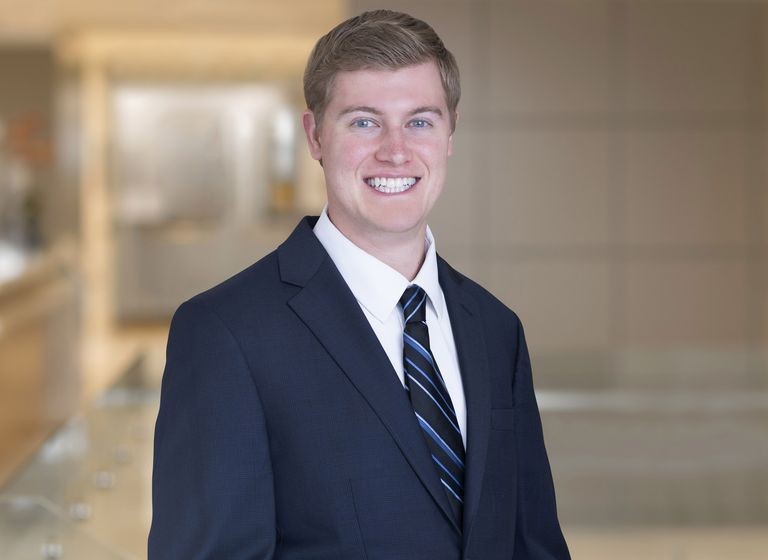
Nicholas (Nick) Pung is an associate in Crowell & Moring’s Advertising and Brand Protection and Antitrust and Competition groups. He creatively leverages his government, regulatory, and marketing background to help clients meet their business and legal objectives. His practice spans transactions, investigations, litigation, compliance, and regulatory advice.
Career & Education
- Federal Trade Commission
Legal Intern, Anticompetitive Practices Division, 2022 - District of Columbia
Legal Intern, Office of the Attorney General for the District of Columbia, Office of Consumer Protection, 2023
- Federal Trade Commission
- Legal Extern, National Advertising Division, BBB National Programs, 2023
- Shopper Marketing Assistant Brand Manager, Whirlpool Corporation, 2019–2021
- The George Washington University Law School, J.D., with honors, 2024
- University of Michigan, BBA, with high distinction, 2019
- District of Columbia
Nicholas's Insights
Client Alert | 4 min read | 10.07.26
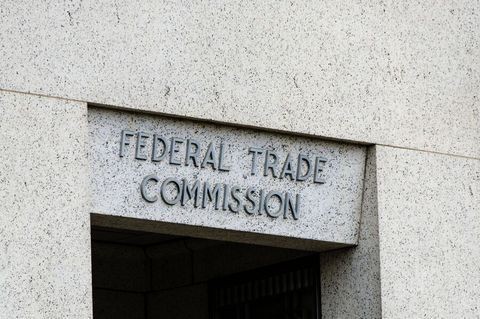
Last week during the National Advertising Division 2026 Annual Conference, the Federal Trade Commission (FTC) provided insights on its enforcement priorities, and the National Advertising Division (NAD) provided updates on recent cases and procedural updates.
Blog Post | 09.14.26
Blog Post | 07.08.26
Blog Post | 04.21.26
Insights


FTC Blog Updates (June 29-July 3, 2026)
|07.08.26
Crowell & Moring's Retail & Consumer Products Law Observer
FTC Blog Updates (April 13 – 17, 2026)
|04.21.26
Crowell & Moring’s Retail & Consumer Products Law Observer
FTC Updates (December 22 – 26, 2025)
|01.06.26
Crowell & Moring’s Retail & Consumer Products Law Observer
FTC Down to Two Commissioners After (Former) Commissioner Holyoak Leaves for U.S. Attorney Role
|11.20.25
Crowell & Moring’s Retail & Consumer Products Law Observer
FTC Updates September 2 – 26, 2025
|10.13.25
Crowell & Moring’s Retail & Consumer Products Law Observer
FTC Updates (July 28 – Aug 1, 2025)
|08.11.25
Crowell & Moring’s Retail & Consumer Products Law Observer
National Advertising Division Updates
|07.23.25
Crowell & Moring’s Retail & Consumer Products Law Observer
FTC Blog Updates May 19 – May 23, 2025
|06.02.25
Crowell & Moring’s Retail & Consumer Products Law Observer
Practices
- Advertising and Brand Protection
- Antitrust and Competition
- False Advertising Disputes and Litigation
- Advertising Transactions and Agreements
- Brand Protection
- Digital Advertising
- Trademark Counseling and Litigation
- Environmental, Social, and Governance
- Antitrust Counseling
- Antitrust Investigations
- Antitrust Mergers and Acquisitions
Industries
Nicholas's Insights
Client Alert | 4 min read | 10.07.26
Last week during the National Advertising Division 2026 Annual Conference, the Federal Trade Commission (FTC) provided insights on its enforcement priorities, and the National Advertising Division (NAD) provided updates on recent cases and procedural updates.
Blog Post | 09.14.26
Blog Post | 07.08.26
Blog Post | 04.21.26
