
Michelle L. Chipetine
Overview
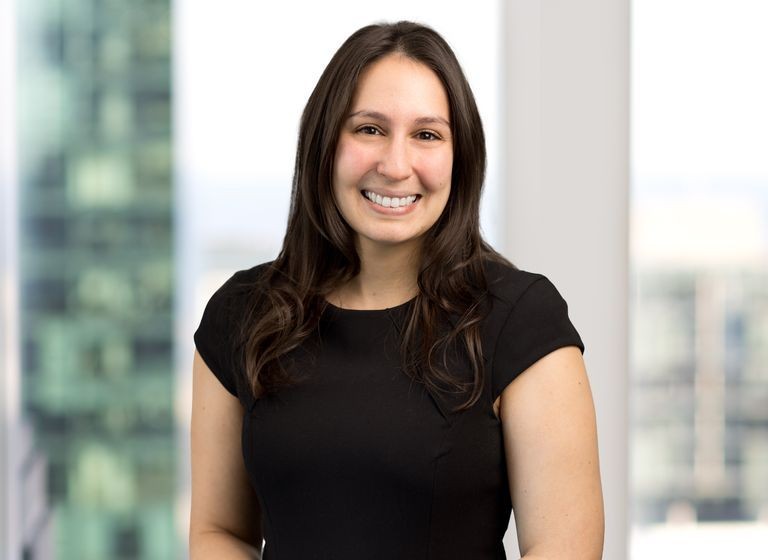
Michelle Chipetine is a counsel in Crowell & Moring’s New York office and a member of the firm’s Health Care and Intellectual Property groups.
Career & Education
- Vassar College, B.A., cum laude, neuroscience, 2015
- Fordham University School of Law, J.D., cum laude, 2018
- New York
Michelle's Insights

Firm News | 5 min read | 08.20.26
Washington – August 20, 2026: The Best Lawyers in America® has recognized 57 of the firm's attorneys in its 2027 edition, a testament to the firm's deep bench of legal talent across practices and offices nationwide. In addition, 29 attorneys have been named to the Best Lawyers: Ones to Watch® list, recognizing outstanding attorneys earlier in their careers.
Client Alert | 10 min read | 07.08.26
Proactive Compliance in Health Care: “Getting Ahead” of Enforcement in 2026 and Beyond
Client Alert | 5 min read | 12.22.25
Emerging Legal Issues for Skilled Nursing Facilities in New York: A Year in Review
Webinar | 09.25.25
Representative Matters
- Secured a significant victory (a preliminary injunction against patent infringement through trial) on behalf of Lonza Walkersville, Inc. against Israel-based Adva Biotechnology Ltd. in a case involving point-of-care cell-therapy technology.
Michelle's Insights
Firm News | 5 min read | 08.20.26
Washington – August 20, 2026: The Best Lawyers in America® has recognized 57 of the firm's attorneys in its 2027 edition, a testament to the firm's deep bench of legal talent across practices and offices nationwide. In addition, 29 attorneys have been named to the Best Lawyers: Ones to Watch® list, recognizing outstanding attorneys earlier in their careers.
Client Alert | 10 min read | 07.08.26
Proactive Compliance in Health Care: “Getting Ahead” of Enforcement in 2026 and Beyond
Client Alert | 5 min read | 12.22.25
Emerging Legal Issues for Skilled Nursing Facilities in New York: A Year in Review
Webinar | 09.25.25
Recognition
- The Best Lawyers in America: Ones to Watch: Health Care, 2026-2027
Michelle's Insights
Firm News | 5 min read | 08.20.26
Washington – August 20, 2026: The Best Lawyers in America® has recognized 57 of the firm's attorneys in its 2027 edition, a testament to the firm's deep bench of legal talent across practices and offices nationwide. In addition, 29 attorneys have been named to the Best Lawyers: Ones to Watch® list, recognizing outstanding attorneys earlier in their careers.
Client Alert | 10 min read | 07.08.26
Proactive Compliance in Health Care: “Getting Ahead” of Enforcement in 2026 and Beyond
Client Alert | 5 min read | 12.22.25
Emerging Legal Issues for Skilled Nursing Facilities in New York: A Year in Review
Webinar | 09.25.25
Insights


Massachusetts Manufacturer Wins 'Double Pick' Patent Litigation
|06.11.20
New Hampshire Business Review
District Court Blocks Attempt to Bar New Prior Art References Based on IPR Estoppel
|05.14.20
IPWatchdog
Seventh Circuit Clarifies Limits on Advertising Payments under the AKS
|04.29.25
Crowell & Moring’s Health Law Blog
- |
01.30.25
Crowell & Moring's Health Law Blog
Stringent Requirements for Pleading Fraud Under Rule 9(b).
|11.05.24
Crowell & Moring’s Health Law Blog
General Allegations Without Representative Examples Are Insufficient to Survive a Motion to Dismiss
|11.01.24
Crowell & Moring’s Health Law Blog
The Anatomy of a Failed Qui Tam Case: Lessons from U.S v. Radiation Therapy Services
|10.09.24
Crowell & Moring’s Health Law Blog
- |
10.01.24
Crowell & Moring’s Health Law Blog
How Much (Information) Is Too Much? Caselaw Shines a Light on Avoiding Privilege Waiver.
|09.30.24
Crowell & Moring’s Health Law Blog
The Intricacies of Qui Tam Actions and the Role of Government Dismissals
|09.03.24
Crowell & Moring’s Health Law Blog
Navigating the Attorney-Client Privilege Waiver Tightrope
|07.22.24
Crowell & Moring’s Health Law Blog
Settling False Claims Act Cases Involves More than Just Cutting a Check to DOJ
|06.17.24
Crowell & Moring’s Health Law Blog
Michelle's Insights
Firm News | 5 min read | 08.20.26
Washington – August 20, 2026: The Best Lawyers in America® has recognized 57 of the firm's attorneys in its 2027 edition, a testament to the firm's deep bench of legal talent across practices and offices nationwide. In addition, 29 attorneys have been named to the Best Lawyers: Ones to Watch® list, recognizing outstanding attorneys earlier in their careers.
Client Alert | 10 min read | 07.08.26
Proactive Compliance in Health Care: “Getting Ahead” of Enforcement in 2026 and Beyond
Client Alert | 5 min read | 12.22.25
Emerging Legal Issues for Skilled Nursing Facilities in New York: A Year in Review
Webinar | 09.25.25
