
DOJ and FTC Warn Companies to Avoid Anticompetitive Employment Practices During COVID-19 Pandemic
Client Alert | 2 min read | 04.16.20
In a joint statement, the U.S. Department of Justice and Federal Trade Commission recognized that protecting the health, safety and welfare of Americans during the COVID-19 crisis will require unprecedented cooperation among governmental and private sector entities. In doing so, however, the agencies cautioned companies that “COVID-19 does not provide a reason to tolerate anticompetitive conduct that harms workers,” including medical professionals, first responders, and other essential service providers. Thus, while praising companies and individuals that have “demonstrated extraordinary compassion and flexibility in responding to COVID-19,” the agencies stated that they “will not hesitate to hold accountable” those that “may use [the crisis] to prey on American workers by subverting competition in labor markets.”
In their joint statement, the DOJ and FTC indicated that they will be monitoring whether employers, staffing agencies, and recruiters engage in anticompetitive employment practices – including naked wage-fixing and no-poach agreements – that harm workers during the COVID-19 crisis. The agencies stated that they are particularly concerned about agreements among employers to lower the compensation, benefits, or hours worked for healthcare professionals and those who work in grocery stores, pharmacies, delivery and distribution networks, warehouses, and other essential sectors. Companies and individuals involved in such agreements could face criminal prosecution. The agencies also promised to bring civil enforcement actions against companies and individuals that invite others to collude when it comes to employee recruitment and compensation even if such an invitation is not accepted.
The DOJ and FTC further indicated that they may use their civil enforcement authority to challenge unilateral anticompetitive conduct by employers that harms competition in a labor market during the COVID-19 crisis. Such unilateral conduct could include a large employer’s use of its monopsony power in a labor market to artificially suppress wages or to unreasonably limit the employment opportunities for permanent or temporary workers through overly broad or unnecessary non-compete clauses.
The DOJ and FTC’s decision to issue this warning during the COVID-19 pandemic appears to be a continuation of the agencies’ focus on increasing their enforcement efforts in the employment context, which the agencies have made a top priority since issuing their Antitrust Guidance for Human Resources Professionals in October 2016.
Contacts

Insights
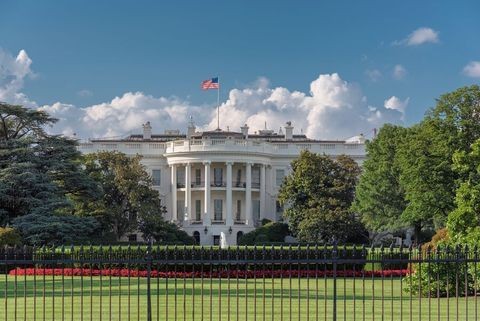
Client Alert | 6 min read | 01.16.26
Trump Administration Rolls Out New DOJ Division for National Fraud Enforcement
On January 8, 2026, the Trump Administration announced the creation of a new Division for National Fraud Enforcement within the Department of Justice (DOJ). The division will be led by a newly appointed Assistant Attorney General (AAG), pending Senate confirmation, who will report directly to both the President and Vice President and operate out of the White House. Such a reporting structure is unprecedented in the history of the DOJ.
Client Alert | 4 min read | 01.15.26
Access to Public Domain Documents Pilot: Practice Direction 51ZH
Client Alert | 4 min read | 01.14.26
Client Alert | 3 min read | 01.13.26
