
Simeon Yerokun
Overview
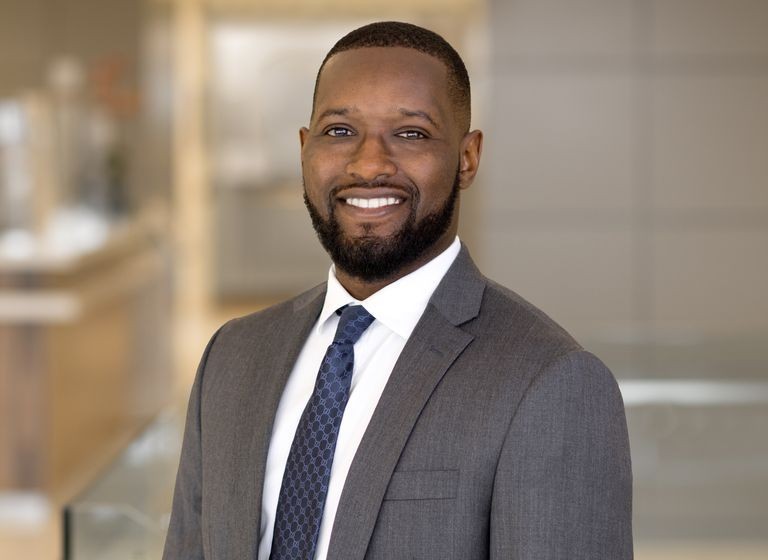
Simeon Yerokun is a counsel in Crowell & Moring’s International Trade group and based in the firm's Washington, D.C. office. He advises clients on all areas of import regulatory compliance, trade remedies, and international trade litigation.
Career & Education
- Department of Homeland Security
Attorney, Office of Chief Counsel, U.S. Customs and Border Protection, 2019–2021 - International Trade Commission
Counsel to Commissioner Irving A. Williamson, 2016–2019
- Department of Homeland Security
- Louisiana State University, B.A., 2011
- Howard University School of Law, J.D., 2015
- District of Columbia
- New York
Simeon's Insights

Client Alert | 5 min read | 10.06.26
Client Alert | 5 min read | 09.09.26
Client Alert | 4 min read | 08.10.26
Client Alert | 5 min read | 07.10.26
Insights

"U.S. Forced Labor Compliance and Regulations," International Trade Administration, MOEA Webinar, Presented to Taiwan Institute of Economics Research
|12.02.25
"Global Business Considerations," The National Bar Association Commercial Law Section’s 37th Annual Corporate Counsel
|02.15.24
USTR Proposes Sweeping Tariffs as Part of Section 301 Forced Labor Import Enforcement Investigation
|06.04.26
Crowell & Moring's International Trade Law
US Customs Announces Withhold Release Order on Coffee from Finca Monte Grande in Mexico
|01.29.26
Crowell & Moring’s International Trade Law
Section 301 Tariffs Announced Against Nicaragua Over Labor and Human Rights Violations
|12.16.25
Crowell & Moring’s International Trade Law
CBP Faces Legal Challenge over Exclusion of Camel Energy’s Battery Imports
|10.31.25
Crowell & Moring’s International Trade Law
CBP Issues Withhold Release Order on Giant Manufacturing Co. LTD
|10.06.25
Crowell & Moring’s International Trade Law
CIT Vacates CBP Forced Labor Finding Against Aluminum Importer
|09.25.25
Crowell & Moring’s International Trade Law
Ninth Circuit Decision Underscores Increasing False Claims Act Risks to U.S. Importer
|07.09.25
Crowell & Moring’s Government Contracts Legal Forum
CBP Issues First Comprehensive Guide to Modifying a Withhold Release Order (WRO)
|06.24.25
Crowell & Moring’s Retail & Consumer Products Law Observer
CBP Announces Forced Labor Allegations Portal Rollout
|06.23.25
Crowell & Moring’s International Trade Law
Simeon's Insights
Client Alert | 5 min read | 10.06.26
Client Alert | 5 min read | 09.09.26
Client Alert | 4 min read | 08.10.26
Client Alert | 5 min read | 07.10.26
