
Hospital Credentialing of Medical Device Sales Representatives – Increasing Legal Issues on the Horizon
Client Alert | 1 min read | 05.30.07
Legal concerns surrounding the credentialing of health care industry representatives (“HCIRs”) will continue to increase as more and more hospitals implement credentialing programs and those who already have programs increase the level of scrutiny given to applications. Current credentialing programs have focused primarily on sales representatives who are present in the operating room during device implantation procedures, but some hospitals are expanding their programs to include credentialing of research and development personnel, technicians who install systems, product management personnel, and others who may come onto hospital premises.
HCIR credentialing can create significant problems for medical device companies and hospitals. Traditionally, HCIR credentialing programs have included standard requirements such as formal training letters, vaccinations, and liability insurance, and routine background checks. More recently, hospitals have begun imposing additional measures, such as physician/representative sponsorship letters, badge fees, liability waivers, codes of conduct, gift disclosure requirements, and patient consent and confidentiality requirements. Background checks may now include drug screens, checks of sex offender registries, and searches to determine whether the applicant has been sanctioned, excluded, or debarred from federal programs. Many hospitals also continue to use their physician credentialing process to credential HCIRs.
One area of particular concern is access fees or badge fees, which can generate potentially serious anti-kickback compliance concerns. Fees that are out of line with the reasonable cost of conducting the credentialing process can look like kickbacks. A lack of uniformity is a second major problem, with its associated redundancies and increased costs. Each hospital may have different credentialing programs, which can create personnel problems for the company. Some companies have even encountered hospitals who have sought performance information on applicant HCIRs. Finally, the administrative burden of managing multiple initial and ongoing credentialing processes can be time-consuming and expensive.
One way to alleviate some of these problems could be the adoption of uniform HCIR credentialing. Until then, companies now should be evaluating whether credentialing requirements are reasonably related to patient safety and quality assurance concerns. Many hospitals have the ability to be flexible, and companies may question requirements that seem overly burdensome or which appear to be marginally related to patient safety or quality.
Insights
Client Alert | 3 min read | 06.12.26
DOJ Guidance Backs Away From Disparate Impact Liability
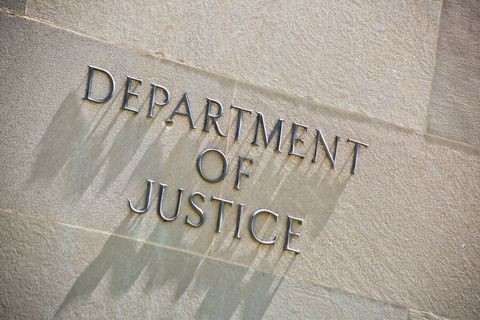
On June 9, 2026, the U.S. Department of Justice (DOJ) issued a formal opinion concluding that the Equal Opportunity Employment Commission’s (EEOC) existing interpretations of Title VII of the Civil Rights Act of 1964 (Title VII) disparate-impact liability, including the Uniform Guidelines on Employee Selection Procedures (UGESP), are unconstitutional. According to the opinion, EEOC’s prior interpretations contemplate liability based on disproportionately adverse effects alone, without regard to an employer’s likely intent, rather than treating disparate impact as an evidentiary mechanism to “smoke out” intentional discrimination. DOJ found that this approach functions as a “qualified racial-proportionality mandate” that places “a racial thumb on the scales, often requiring employers to evaluate the racial outcomes of their policies, and to make decisions based on (because of) those racial outcomes.” The opinion fulfills one mandate of Executive Order 14281, which rejected disparate-impact liability insofar as it “creates a near insurmountable presumption that unlawful discrimination exists wherever there are any differences in outcomes among different [demographic groups].”
Client Alert | 4 min read | 06.12.26
Auto Dealers: The FTC Is Back in the Driver’s Seat — Warning Letters Signal Renewed Federal Scrutiny
Client Alert | 13 min read | 06.12.26
Client Alert | 4 min read | 06.12.26
